Summary of climate disasters on the planet, November 12–18, 2025
The world around us is changing faster than we can comprehend. What once seemed like an adventure and a test of oneself can today become a deadly risk. You will learn right now about the most extreme events of the past week, from November 12 to 18, 2025, and what we will have to give up in the near future.
Italy
From November 14 to 17, northern Italy was hit by extreme severe weather. The most serious damage affected the regions of Liguria, Tuscany, and Friuli-Venezia Giulia.
The elements were especially violent in Liguria. In the port of the city of Genoa, a powerful tornado overturned cargo containers as if they were toys.
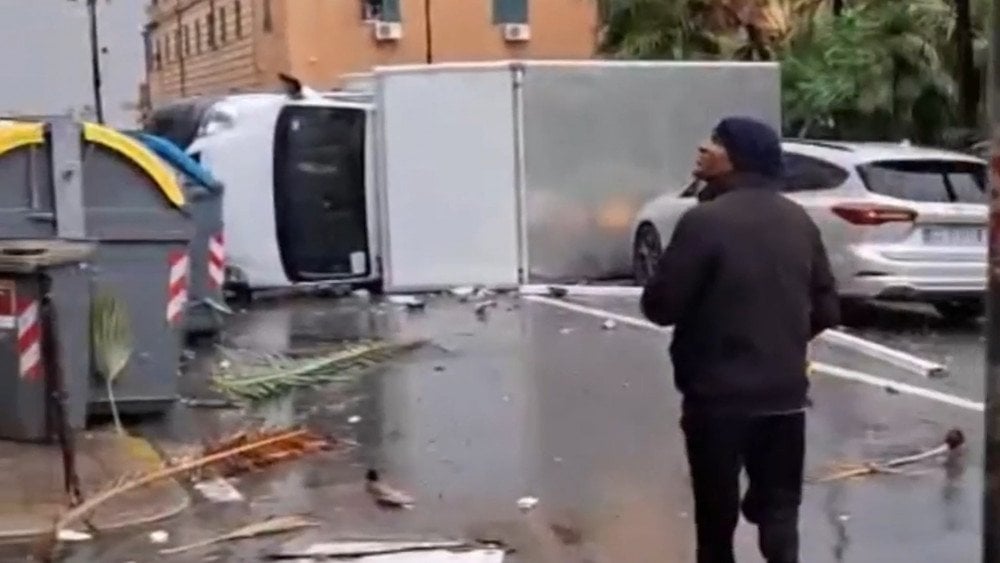
A destructive tornado overturned cars on the streets of Genoa, Liguria region, Italy
Along the coast, between the Voltri and Sestri Ponente districts, a microburst damaged buildings and uprooted trees. One of them completely blocked the operation of the Sant’Anna funicular. In the Pegli district, the collapse of a wall caused gas and electricity outages.
In the upper part of Genoa, about 240 mm (9.4 in) of precipitation fell within just a few hours. As a result, the Fegino River overflowed its banks, flooding underpasses and damaging transport infrastructure.
In the Tuscany region, severe thunderstorms triggered large-scale flooding in the provinces of Pisa, Livorno, Lucca, Pistoia, Prato, and Florence.
On November 17, in Friuli-Venezia Giulia, between the cities of Palmanova and Gorizia, meteorological stations recorded nearly one and a half months’ worth of rainfall in just 6 hours – 152 mm (6.0 in) (the average monthly norm for November is 104 mm (4.1 in)).
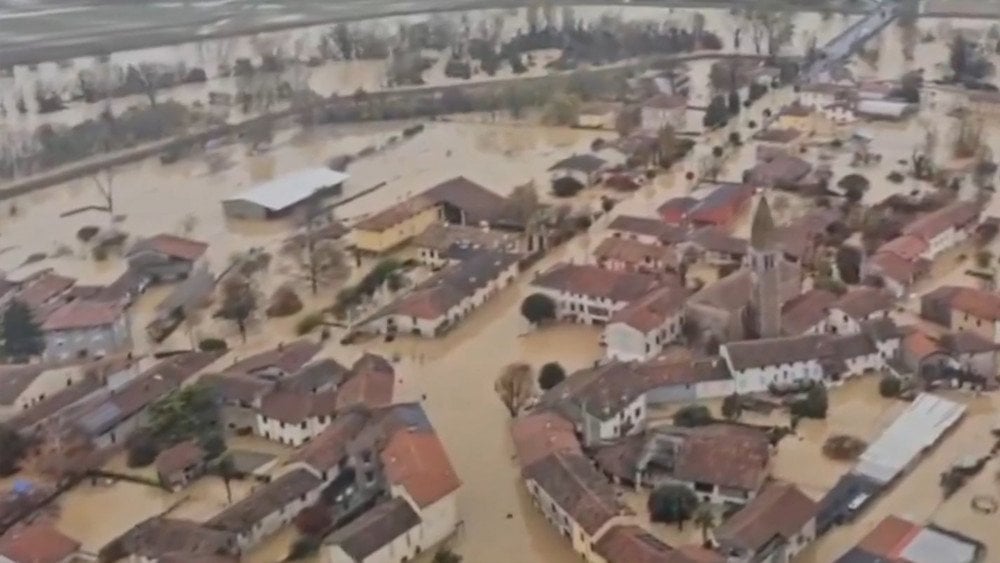
Torrential rains caused large-scale flooding in the village of Versa, Gorizia province, Friuli-Venezia Giulia region, Italy
The aftermath proved tragic. In the municipality of Cormons, a landslide destroyed three residential houses, killing two people. In the village of Versa, the overflow of the Torre River forced the evacuation of about 300 residents. A state of emergency was declared in the region.
Storm Claudia
A vast low-pressure system that had already brought early cold and snowfalls to Canada and the United States in early November crossed the Atlantic and reached Europe. Spain’s meteorological service named this storm Claudia.
On November 11, up to 150 mm (5.9 in) of precipitation fell within 24 hours in Spain’s Galicia region – streets turned into raging streams, and local rivers began rapidly overflowing their banks.
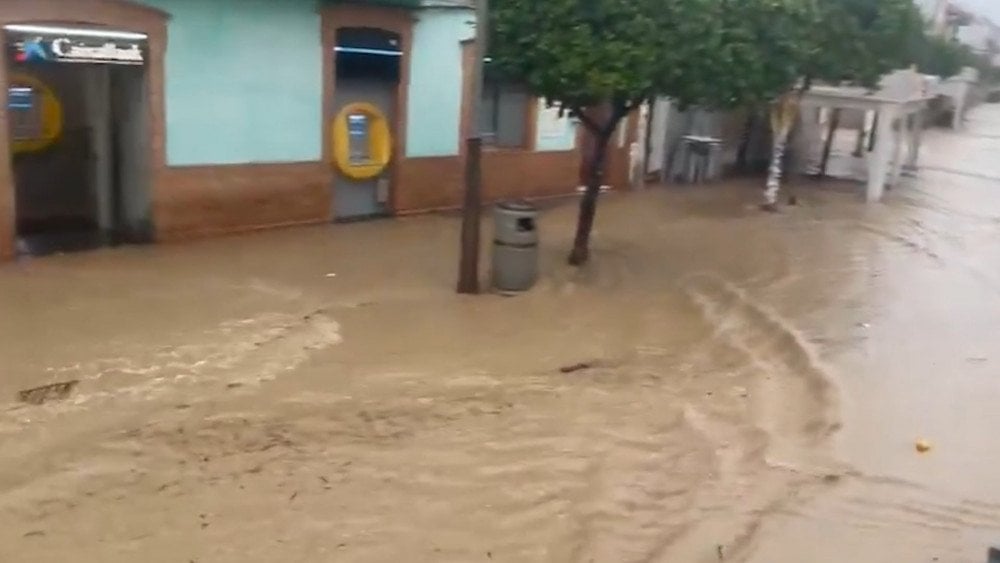
Storm Claudia caused flooding on the streets of Spanish cities
By November 14, warm and moist air collided with a cold air mass over the more northern parts of Europe, forming a rain band stretching from western Ireland to Russia.
The storm struck Portugal with devastating force.
In the town of Fernão Ferro, near Lisbon, water burst into the home of an elderly couple at night; tragically, they did not manage to escape and died. In the Faro district, heavy rains and strong winds with gusts of up to 112 km/h (70 mph) caused widespread tree falls and power outages.
In the civil parish of Azeitão in Setúbal municipality, a landslide caused a road to collapse, completely blocking traffic in both directions.
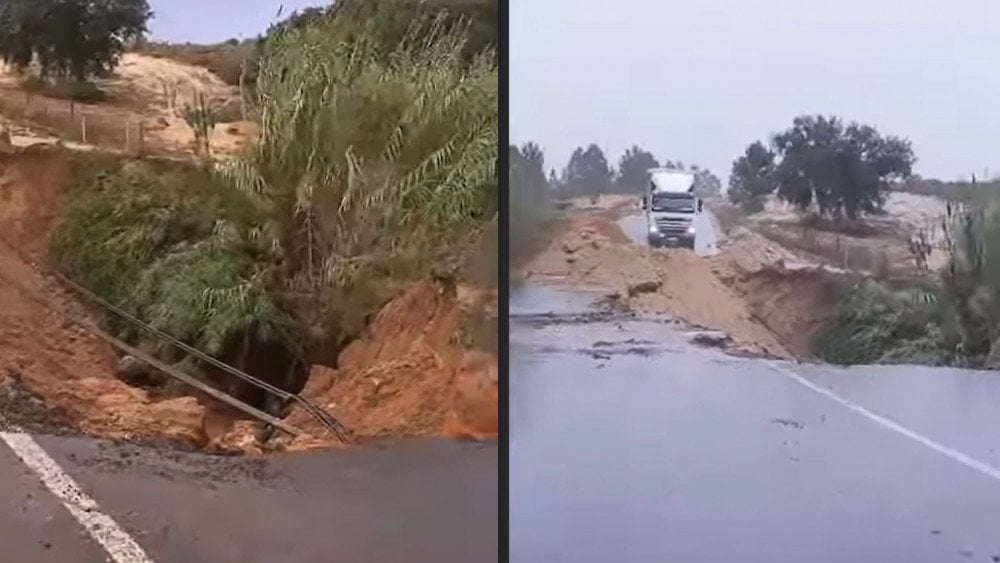
Aftermath of Storm Claudia in Portugal: in the settlement of Azeitão, Setúbal municipality, a road collapsed after a landslide
The most dramatic episode occurred in Albufeira (Algarve region), a popular tourist city in southern Portugal. A tornado formed there and struck a hotel restaurant in the morning, just as several dozen people were having breakfast. As a result, 28 people were injured, including six children aged from two months to seven years; four people were hospitalized with serious injuries.
The vortex also swept through a campsite. One woman vacationing in a motorhome was killed. On November 15, another tornado affected the municipality of Silves, leaving two people homeless.
According to the National Authority for Emergency and Civil Protection (ANEPC), a total of 3,363 weather-related incidents were recorded across the country.
After reaching the United Kingdom, Storm Claudia caused severe flooding in England and Wales.
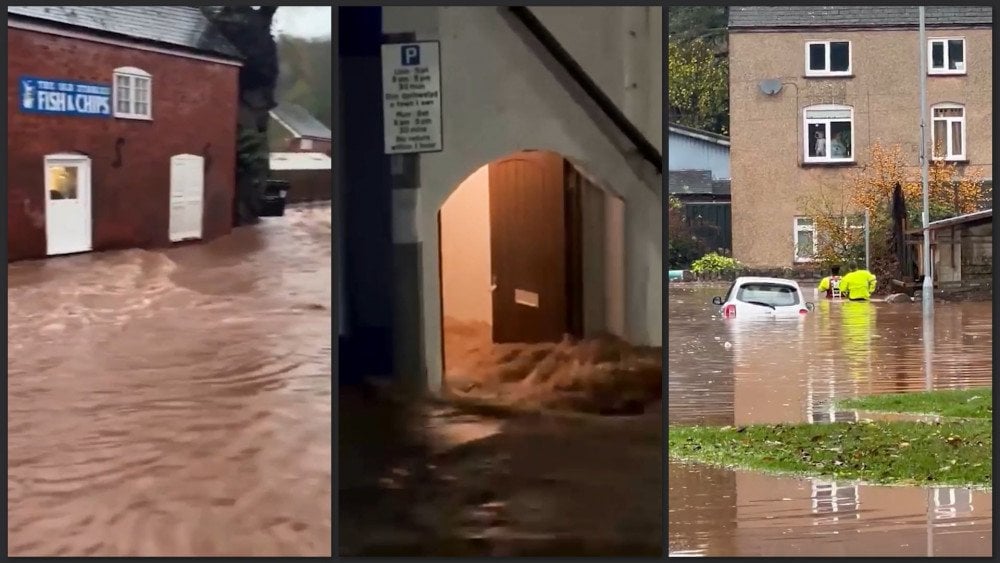
Flooding in the United Kingdom after the passage of Storm Claudia
In the town of Monmouth, nearly 120 mm (4.7 in) of rain fell overnight – more than the monthly average. The River Monnow breached flood defenses, and on November 16 residents woke up to find much of the town underwater.
Dozens of flood warnings were in effect across England, and in the south railway lines were closed due to fallen trees and high water levels.
In Ireland, the counties of Wexford and Laois were particularly hard hit. Rivers overflowed their banks, homes and businesses were flooded. According to ESB Networks, about 5,000 people were left without electricity.
In France, Storm Claudia caused unusually high temperatures for this time of year: due to the influx of subtropical air, temperatures in the southwest of the country rose to nearly 30°C (86°F), setting a new November record.
Saudi Arabia
From November 12, a series of powerful storms swept across much of Saudi Arabia.
According to the Ministry of Environment, Water and Agriculture, on November 16, 49 monitoring stations recorded precipitation: rains fell in Medina, Mecca, Riyadh, Al-Qassim, the Eastern Province, Al-Bahah, Asir, and other areas. A red danger level was declared in several regions.
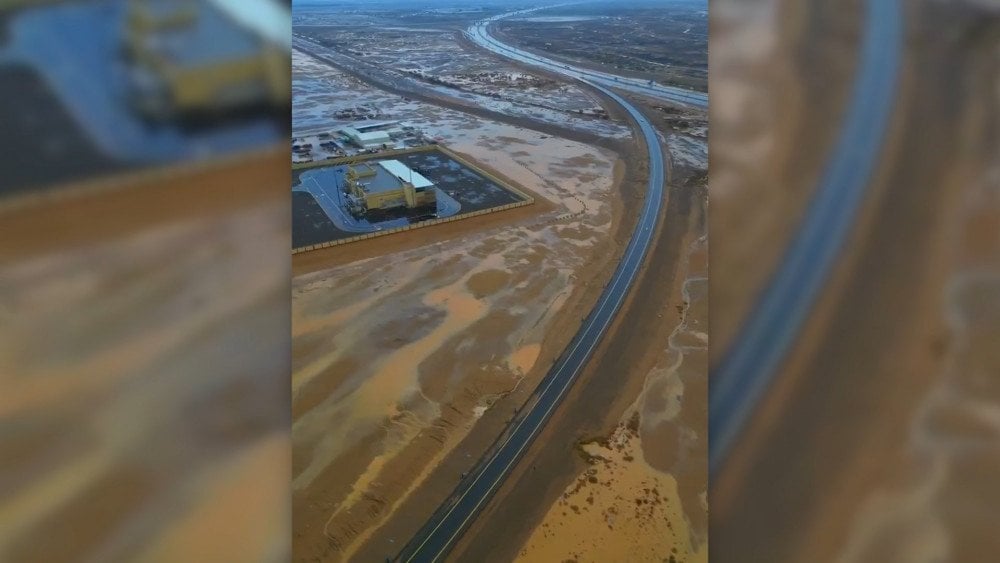
Flooded areas in Saudi Arabia after heavy downpours
Coastal areas were especially affected, where wind speeds reached 50 km/h (31 mph) and waves rose up to 2.5 m (8.2 ft).
The highest amount of precipitation was recorded at the Sabt Al-Jarah station: in the city of Al-Qunfudhah, Mecca Region, more than 32.2 mm (1.27 in) fell within 24 hours, from 9:00 on November 15 to 9:00 on November 16. Powerful mudflows covered streets. Water blocked traffic and forced drivers to abandon their vehicles. On the roads, heavy trucks struggled to move due to strong winds and torrential rain.
On November 16, at the Al-Ruknah station in Al Muwayh, a settlement with an extremely arid climate where the average annual rainfall is only about 30 mm (1.18 in), 80% of the annual precipitation fell in just one day — 24.2 mm (0.95 in).
In Medina Province, the storm struck the Yanbu Industrial City – one of the world’s largest oil refining and petrochemical centers. The elements damaged several high-voltage transmission line towers, disrupting the operation of the facility’s power grid.
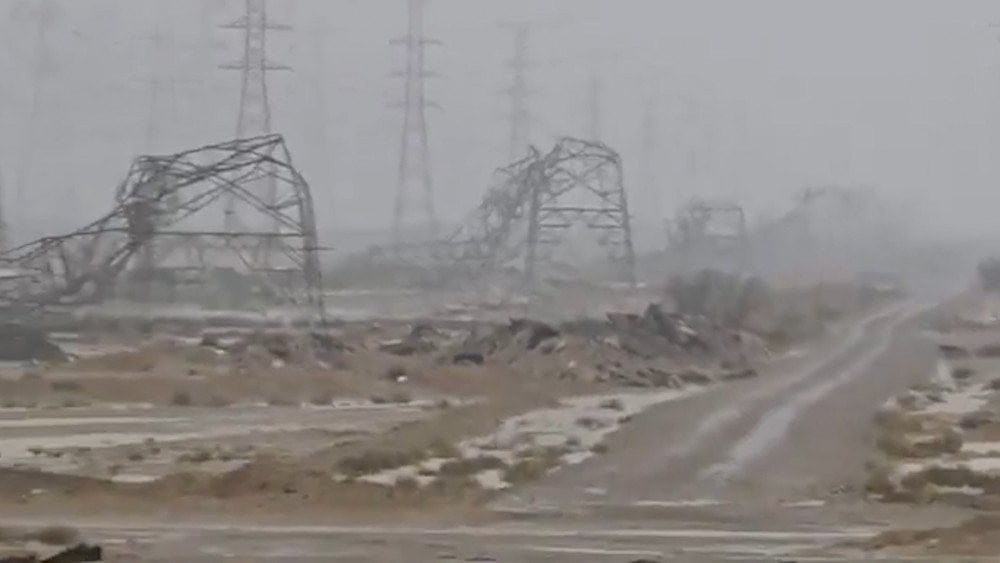
The storm toppled power transmission line towers in Yanbu Industrial City, Medina Province, Saudi Arabia
Indonesia
On November 13, after torrential rains, a major landslide occurred in the village of Cibeunying, Cilacap Regency, Central Java Province, causing ground subsidence of up to 2 m (6.6 ft) and the formation of a crack 25 m (82 ft) long.
Dozens of houses were buried under layers of soil, eight of them completely collapsing. The affected area covered about 6.5 hectares (approximately 16 acres). Local roads were also blocked, complicating access to the disaster zone.
A total of 520 specialists and 19 search dogs took part in the search-and-rescue operation. In some places, the thickness of the landslide debris reached 8 m (26 ft), requiring the use of 21 excavators. Rescue efforts were severely hampered by heavy rainfall and gale-force winds.
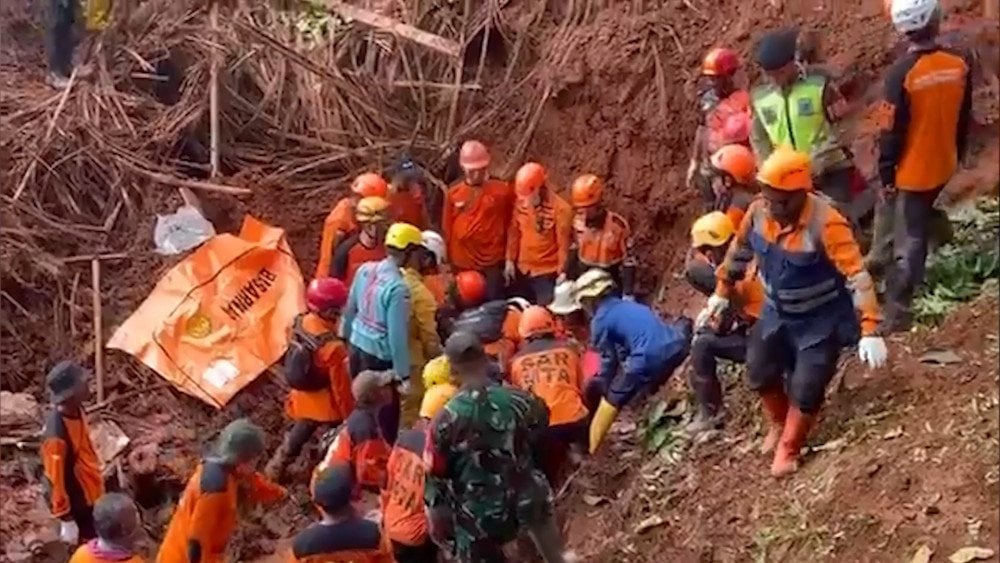
Search-and-rescue operations in the village of Cibeunying, where a powerful landslide buried residential houses,
Cilacap Regency, Central Java Province, Indonesia
As of November 17, the tragedy claimed the lives of 16 people, while 7 others are still reported missing.
Middle East
On November 13, a storm struck Israel, putting an end to the record-breaking hot and dry beginning of November. Cities in the north of the country were hit by downpours with thunder and lightning, torrents of water flooded streets, and hail fell in some areas.
A rare waterspout swept through the Palmachim beach area, while in the settlement of Binyamina-Giv'at Ada a lightning strike set a tree on fire.
By evening, the precipitation intensified: along the coast, from the city of Hadera to Ashkelon, 61 mm (2.4 in) of rain fell in just an hour and a half, and streets were quickly submerged. In Tel Aviv, a person slipped from a wet balcony and was hospitalized in moderate condition. In Jerusalem, strong winds felled trees, and at Ben Gurion Airport heavy rains caused flight delays.
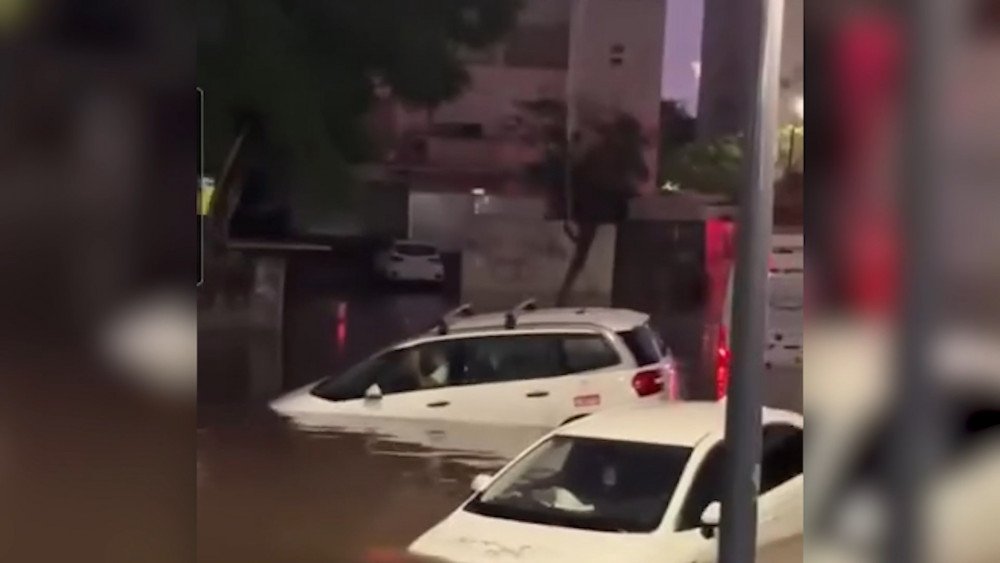
Flooded streets in Israel after torrential rain: cars half submerged in water
By the morning of November 14, the storm had already engulfed the entire country. The meteorological service warned of the risk of flash floods, and the Ministry of Health temporarily restricted swimming due to possible sewage contamination of the sea.
The same weather system led to devastating consequences in the Gaza Strip. On the night of November 14, heavy rains flooded overcrowded camps for displaced people. Roads turned into raging streams, and inside tents the water level rose above 10 cm (4 in). Families living under tarpaulin roofs woke up to find their bedding floating in mud.
Years of war have destroyed water supply and sewage systems, and together with the rain, wastewater and refuse poured into the camps. Municipal services were receiving hundreds of calls per hour, but there was almost nothing they could do — resources were exhausted. Many tents collapsed under the weight of the rain; people spent the entire night trying to reinforce them, bail out water, and save their remaining belongings.
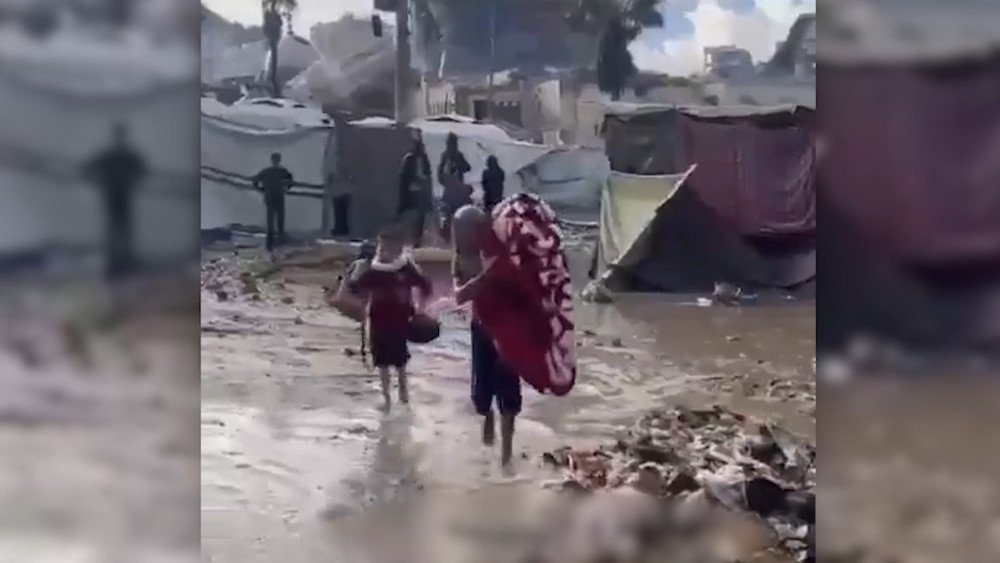
After heavy rain in the Gaza Strip, camps for displaced people were flooded
The storm in Gaza turned into a humanitarian catastrophe – and this is only the beginning of the winter season.
South America
On November 17, an extratropical cyclone struck Patagonia, triggering several emergency events at once in Argentina, Chile, and neighboring countries.
Patagonia is a vast geographical region in southern South America, located within Argentina and Chile.
In the city of Comodoro Rivadavia, the storm surpassed everything that local residents, accustomed to harsh winds, considered “normal.” Officially, wind gusts of up to 150 km/h (93 mph) were recorded. The wind uprooted trees, tore off roofs, damaged buildings, and downed power lines. The city was left without water; institutions were closed, flights were canceled, and repair crews were working at the limit of their capacity.
At the Cerro Dragón oil fields, measuring instruments for an extended period showed incredible wind speeds of 312 km/h (194 mph), with gusts reaching up to 352 km/h (219 mph).
The aftermath of the extratropical cyclone extended far beyond Patagonia. It generated a phenomenon unprecedented in its intensity and scale.
Powerful winds lifted huge amounts of fine solid particles from Patagonia’s arid soils, forming a massive dust cloud that moved across eastern Argentina, reached Uruguay, and extended to the coast of Brazil’s Rio Grande do Sul state.
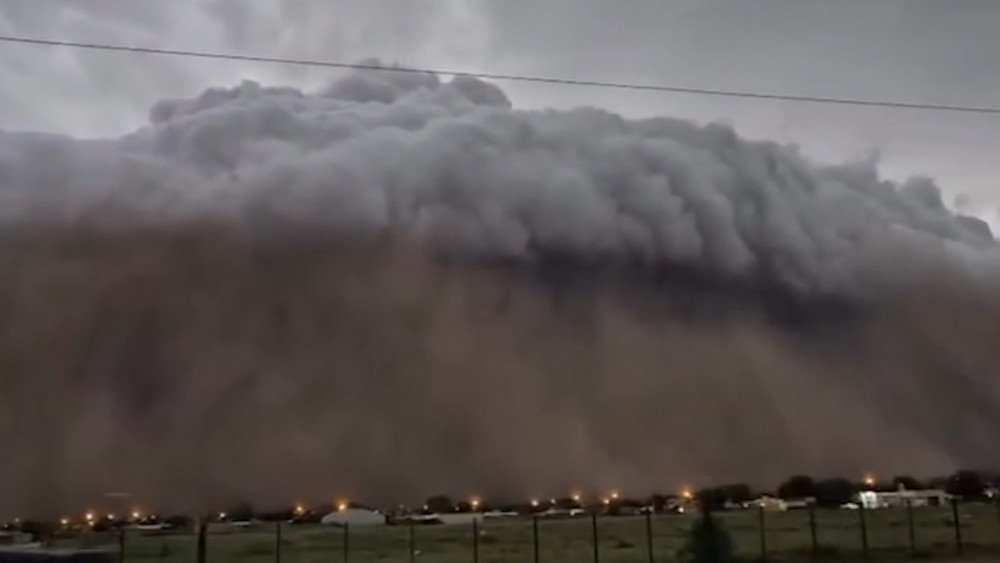
An anomalous dust cloud from Patagonia covered Argentina
Normally, dust and smoke arrive here from the north – almost every year they are carried by winds from wildfires in Brazil.
The arrival of a dust plume from the south is an unprecedented phenomenon. The cyclone led to a tragedy in the mountains of southern Chile. In Torres del Paine National Park, the elements struck the isolated Los Perros campsite, which can only be reached after a four – five hour hike from the last point accessible by transport.
Torres del Paine National Park, one of the most famous places in Chile, is located between the Andes and the Patagonian steppe. During the 2024–2025 season, it was visited by about 380,000 people, including many foreign tourists drawn by its trails, lakes, glaciers, and mountains.
A group of tourists ascending the John Gardner Pass was caught in heavy snowfall, near-zero visibility, and winds of up to 200 km/h (124 mph). Rescuers worked under extremely difficult conditions, but only four people were found alive. Five people, sadly, lost their lives.
This tragedy is not just frightening news. It clearly shows how the world around us has changed.
Extreme forms of recreation were once considered a personal challenge – a way to test one’s limits and step beyond the familiar. They inspire some, impress others, and make many want to repeat the experience.
The climate is changing much faster than we are used to thinking, and this is no longer abstract rhetoric – these are very real risks. Atmospheric circulation has become unpredictable: storm systems form almost out of nowhere, and even very short-term forecasts, which were previously reliable enough for tourist groups to trust, are increasingly failing.
In places where landslides had not occurred for decades, they now happen suddenly. Temperatures fluctuate, visibility drops, and many familiar natural signals that experienced people relied on all their lives no longer work.
As a result, it is not only those who go on extreme tours who suffer. Rescuers are also put at risk – people who head into the most dangerous zones because they know they must help, but under such conditions sometimes even they cannot deploy in time due to the excessively high risk to their own lives.
It is important to remember: each of us is responsible for the example we set for others. Sometimes imitation arises simply from the desire to “be like those cool guys,” and it is precisely those who set such an example who bear the responsibility.
From this, a simple conclusion inevitably follows: today, extreme tourism is no longer a way to feel adrenaline or prove to yourself that you can do more. It has become a game with stakes that are too high.
We are not trying to discourage anyone from their dreams. We are offering to look at reality as it is today. Under current climatic conditions, every hike, every risky ascent, every extreme water route is no longer what we used to consider normal. Previous experience – even the most successful – is no longer a guarantee of safety. To lose one’s life, a single unforeseen moment is enough.
This can be explained with a simple metaphor: imagine a person who loves to dance. It is their joy, their life. But one day they break a leg. For some time, dancing is simply no longer impossible – not because they became worse, but because the body needs recovery. The same is true for our planet: some processes that once worked like clockwork are now disrupted. And there are things that are worth giving up temporarily, despite the desire to pursue them.
This is not a ban and not a judgment. It is a call to recognize the changes and to take care of ourselves and others. Human life is the most valuable thing, and it is more important than any conquered peak.
Watch the video version of this article here:
Leave a comment