A Decision That Costs Thousands of Lives: How to Survive When Disaster Strikes Without Warning
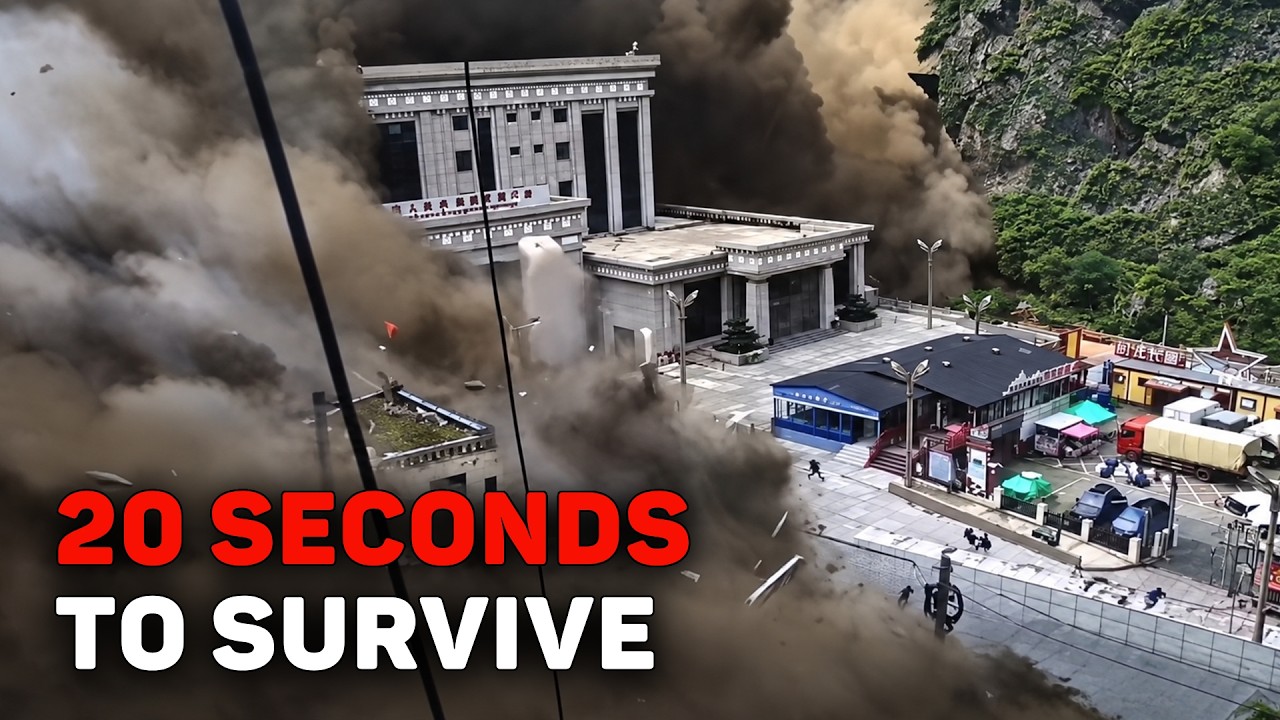
In the highlands of Nepal, a massive collapse of a glacier and surrounding rock triggered a deadly mudflow that, within minutes, destroyed settlements and hydropower facilities along its path into the valley. In Algeria, an unusual heatwave and strong winds sparked large-scale wildfires that destroyed up to 80% of the forest cover in Jijel Province. In southern France, an EF3 tornado with wind speeds of up to 240 km/h tore through residential areas, damaging hundreds of buildings. Central America faced a critical moisture deficit: water levels in the Panama Canal reservoirs fell, while temperatures in El Salvador and Honduras exceeded 43°C, triggering a severe agricultural drought.
Waves of extreme precipitation, mudflows, and temperature anomalies across different continents formed a single chain of energy redistribution — this is an analysis of the major climate and geophysical events from August 24 to 30, 2026.
00:00 - Introduction
00:36 - France: EF3 tornado and destruction in the Aude department
02:26 - Switzerland and Italy: powerful hailstorms, hurricane-force winds, and infrastructure damage
07:10 - Central America: precipitation deficit, falling Panama Canal water levels, and record temperatures
10:50 - Algeria: large-scale wildfires in Jijel Province and evacuation challenges
12:15 - Nepal and China: glacier collapse, mudflow, and infrastructure damage
19:00 - Conclusions: the psychology of behavior in emergencies and the importance of basic preparedness
An analysis of the aftermath of sudden disasters shows that in the first minutes after a natural hazard strikes, people are often left alone to face the forces of nature. Emergency services physically cannot arrive instantly, so individuals may have to make decisions and act on their own within a matter of seconds. Fear in such situations is a natural physiological response that mobilizes the body's resources and enables faster action. As the events in Nepal demonstrated, an immediate response and clear actions, such as organizing the evacuation of people to higher ground, can become a critical factor in survival.
Emergency preparedness is not about being fearless. It is about understanding simple response scenarios: where to move, whom to warn, and what to do in the first few minutes. Having this basic knowledge can significantly increase the chances of a favorable outcome and help save lives as environmental conditions change.
Stay informed about events happening around the world.


Leave a comment