Summary of Climate Disasters on the Planet, January 1–23, 2026
The year 2026 began with a string of climate strikes: freezing temperatures, snowfalls, hurricane-force winds and floods battered countries.
The usual weather patterns have stopped working. In this episode of climate disaster monitoring January 1-23, 2026, you'll see for yourself how ordinary weather can instantly turn into an emergency.
Europe
On January 6, Europe came under the grip of a severe winter storm system.
In France, black ice and heavy snowfall triggered a series of road accidents that claimed five lives.
In the Netherlands, KLM airline canceled more than 1,000 flights due to a shortage of de-icing fluid needed to treat aircraft icing, causing chaos in terminals and hours-long queues.
In the Balkans, a combination of heavy snowfall and torrential rains led to flooding and power outages.
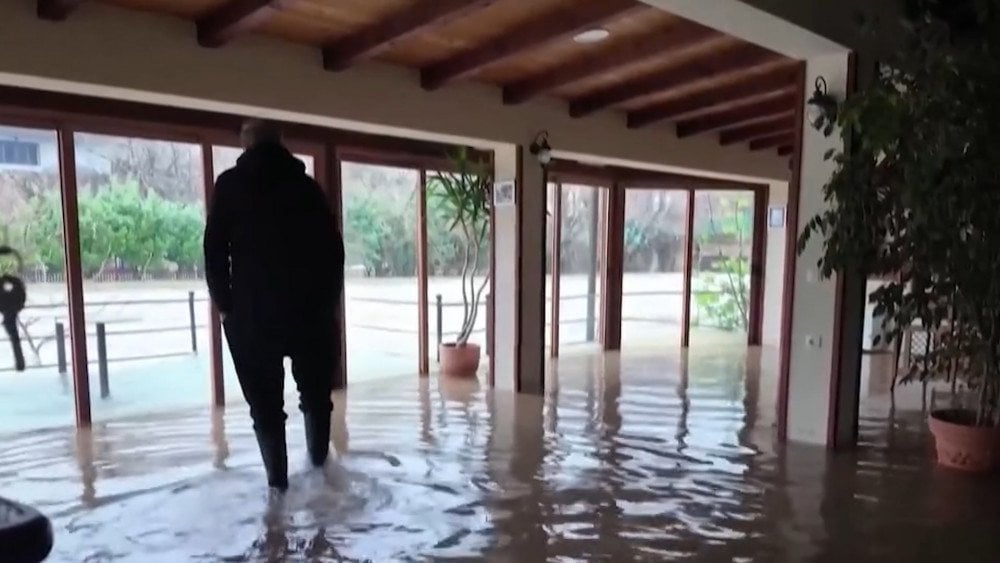
Aftermath of flooding in the Balkans: a building inundated after torrential rains and heavy snowfall
In Sarajevo, the capital of Bosnia and Herzegovina, about 40 cm (15.7 inches) of snow fell, under the weight of which numerous trees collapsed.
In Croatia, along the coast in the town of Povile, strong winds with gusts of up to 144 km/h (89 mph) were recorded.
In the United Kingdom, temperatures dropped to −12.5 °C (9.5 °F) — hundreds of schools were closed, and rail and road transport services were disrupted.
In northern Italy, subzero temperatures were recorded. In many cities located on the plains, including Bologna, snowfall was observed. In Rome, torrential rains caused the Tiber River to rise and trees to fall in parks due to waterlogged soil.
In Spain, snow and cold led to the suspension of a suburban railway line near Madrid and disrupted traffic on more than 40 roads.
In northwestern Greece, a winter storm was accompanied by a destructive tornado that swept through the town of Kalpaki in the Epirus region: dozens of trees were uprooted, and a poultry farm was destroyed, where about 30,000 chickens died. A military base was also damaged.

Tornado in the Epirus region, Greece: poultry farm destroyed, 30,000 chickens killed
From January 8, Storm Goretti struck Europe.
France was hit hardest: in the town of Barfleur, wind gusts reached 213 km/h (132 mph). About 380,000 homes were left without electricity, thousands of trees were uprooted, and coastal towns, including Étretat and Fécamp, were flooded. The port of Dieppe was closed due to storm surge. Mass casualties were avoided because the storm struck deep at night, when people were in their homes.
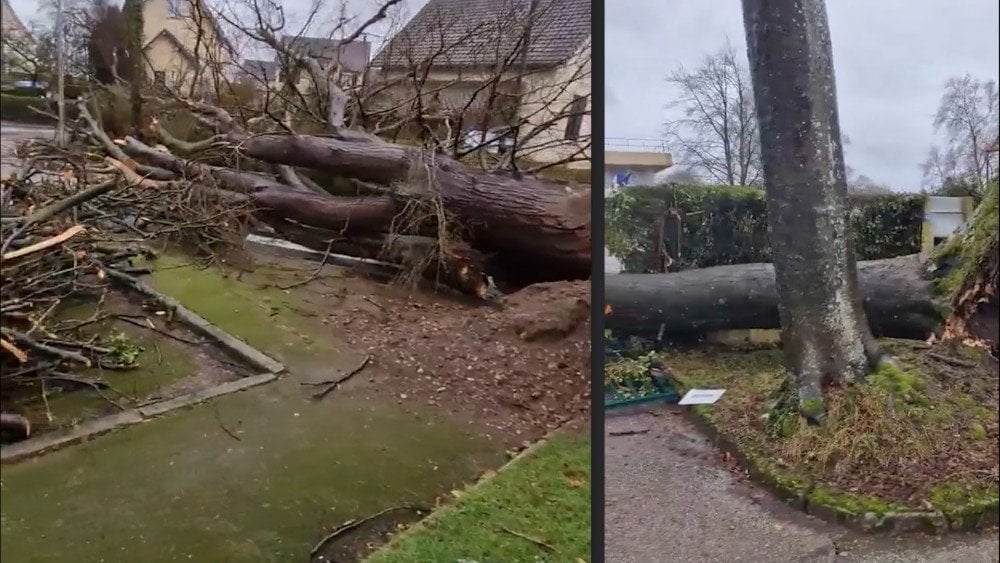
Aftermath of Storm Goretti in France: strong winds toppled trees
In the United Kingdom, Goretti brought wind gusts of up to 160 km/h (99 mph). As a result, 57,000 homes experienced power outages. On the island of St. Michael’s Mount, nearly 80% of the trees were toppled. Rail services were suspended nationwide, and about 70 flights were canceled at Heathrow Airport. One person was killed when a tree fell onto his van.
In Germany, the winter storm Goretti (known in the country as Elli paralyzed the nation with heavy snowfall and blizzards. In the north, intercity rail traffic came to a complete halt, and the major transport hub of Hanover was blocked. Multi-kilometer traffic jams formed on highways due to stranded trucks. In Bavaria, three people died in road accidents on icy roads. The storm forced the closure of the Volkswagen plant in Emden. Hospitals, especially in Hamburg, reported a sharp increase in trauma cases.
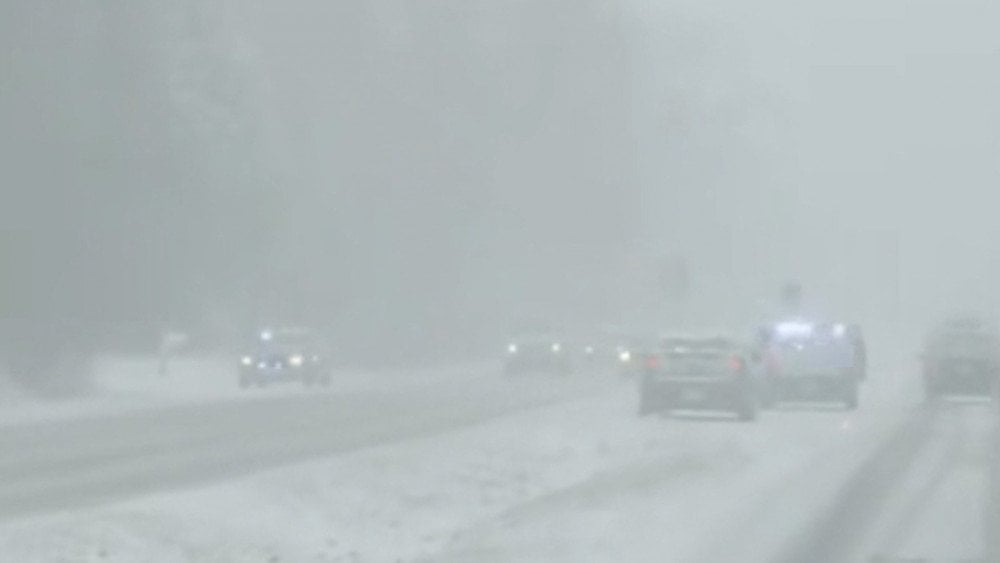
Germany under the grip of winter storm Goretti: blizzards and heavy snowfall paralyzed road traffic
In Belgium, the storm led to hundreds of emergency calls due to fallen trees. Wind speeds reached 100 km/h (62 mph).
In Serbia, some areas remained without electricity for several days.
In Hungary, temperatures in one mountain valley dropped to nearly −33 °C (−27.4 °F).
In the Czech capital, Prague, snowfall paralyzed traffic.
In Romania, about 4,000 homes were left without electricity.
According to the weather station of the National Observatory of Athens, during a thunderstorm front coming from the Aegean Sea, an unprecedented squall with a speed of 154.5 km/h suddenly struck the Greek municipality of Alexandroupoli. It lasted only a few minutes but left behind extensive destruction.
The wind snapped massive trees and uprooted others completely — more than 150 trees were uprooted along the waterfront alone — causing damage to vehicles and forcing the closure of almost all city parks.
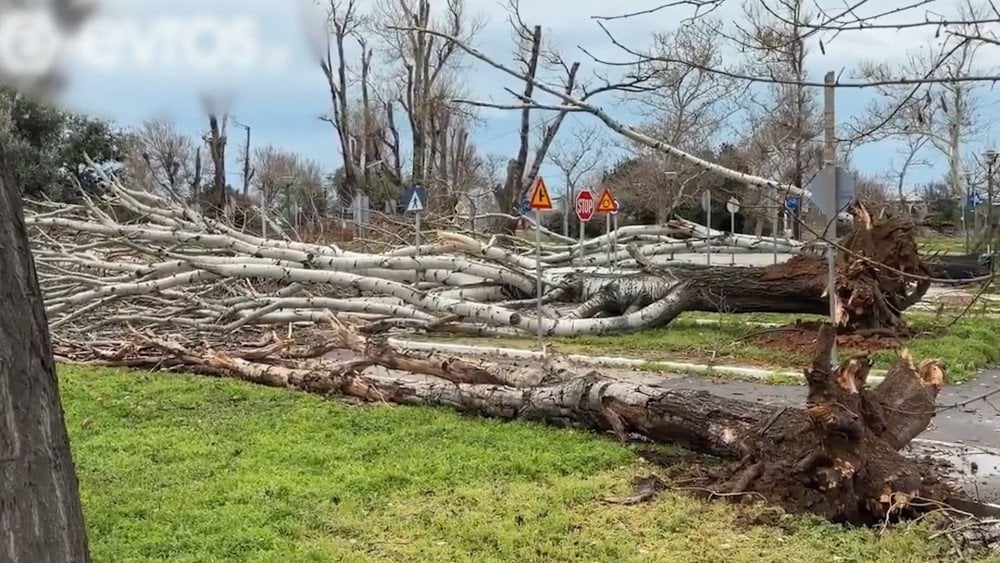
Strong winds uprooted trees in the municipality of Alexandroupoli, Greece
In the city’s coastal zone, glass facades were shattered and building structures were damaged. In one café, visitors frantically sought shelter as squally winds raged inside the premises.
Some vessels were severely affected, many literally thrown aground. At “Democritus” Airport, the wind damaged three training aircraft.
The phenomenon was caused by powerful downdrafts from a thunderstorm front, known as microbursts. According to meteorologist Theodoros Antonopoulos, the phenomenon was highly localized and extremely difficult to predict.
From January 20, another powerful storm struck Europe — Mediterranean Cyclone Harry.
It hit southern Italy, affecting mainland Calabria as well as the islands of Sicily and Sardinia. Large-scale flooding, landslides, and destruction were recorded both in coastal and inland areas. Water flooded streets, vehicles, and ground floors of buildings. People had to be evacuated by boat.
The situation was especially severe in the cities of Catania in Sicily and Catanzaro in Calabria, where flooding and infrastructure damage reached their peak.
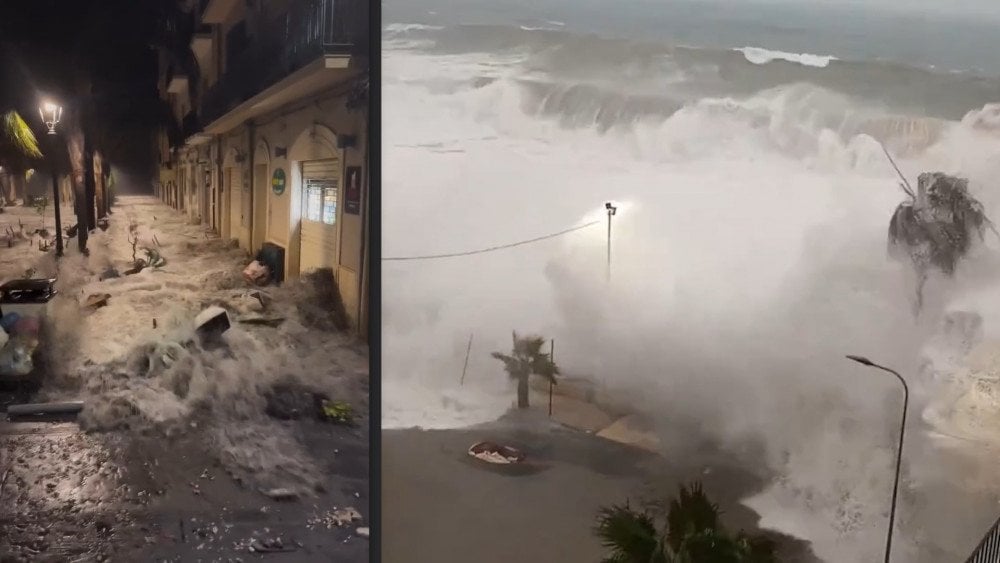
The power of Storm Harry struck Sicily, Italy
Preliminary estimates indicate that damage from the disaster in Sicily alone exceeded €1 billion.
Along the Ionian coast, the storm generated waves up to 10 m (33 ft) high. They destroyed embankments, damaged ports, sank fishing vessels, and in the commune of Santa Teresa di Riva, wiped out a section of the coastal road.
In the Strait of Sicily, between Sicily and Malta, an oceanographic buoy of the Italian National Institute ISPRA recorded a wave 16 m (52.5 ft) high — the highest ever recorded in the Mediterranean Sea.
The storm was accompanied by extreme precipitation. In the commune of San Sostene, nearly 570 mm (22.4 inches) of rain fell within 72 hours, exceeding the half-year precipitation norm and triggering flash floods and landslides. Ferry connections with the smaller islands were almost completely suspended, and some settlements were cut off.
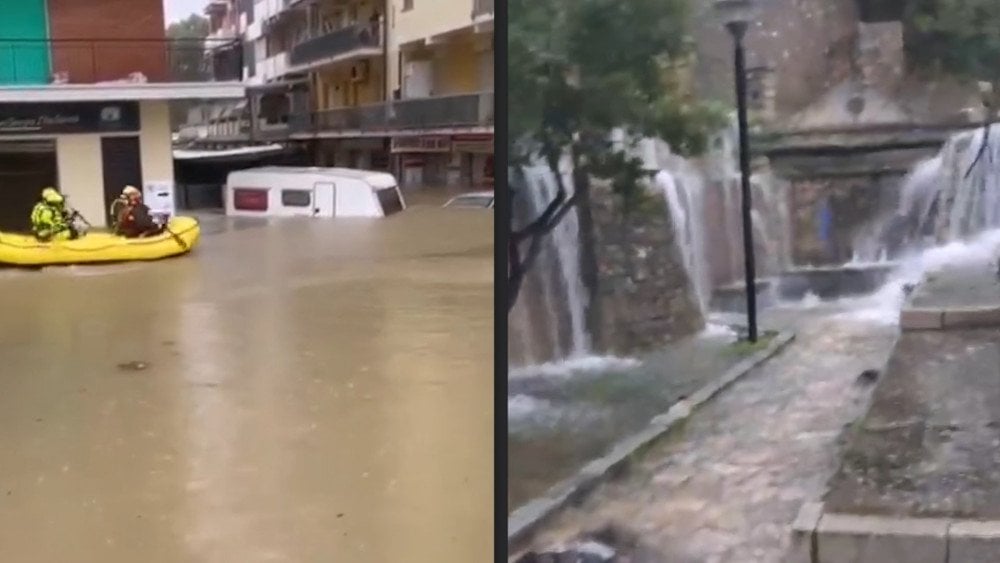
Aftermath of Storm Harry in Calabria Region, Italy
In Malta, the cyclone caused severe transport disruptions and destruction of coastal areas, especially in the southern part of the island.
South America
At the beginning of January in South America, where it is currently the height of summer, the weather seemed to have “turned upside down.”
Since January 4, in southern Brazil, where it is usually hot at this time of year, anomalously cold weather set in.
In 70 cities of Rio Grande do Sul State, very low temperatures below 10 °C (50 °F) were recorded. Thermometers in the Campos de Cima da Serra area dropped to +1.5 °C (34.7 °F), and the surroundings were covered with frost — which is atypical for midsummer.
On January 5, the municipality of São José dos Ausentes, Rio Grande do Sul State, Tmin saw +1.5 °C (34.7 °F); and the municipality of São Joaquim, Santa Catarina State, Tmin +1.8 °C (35.2 °F).
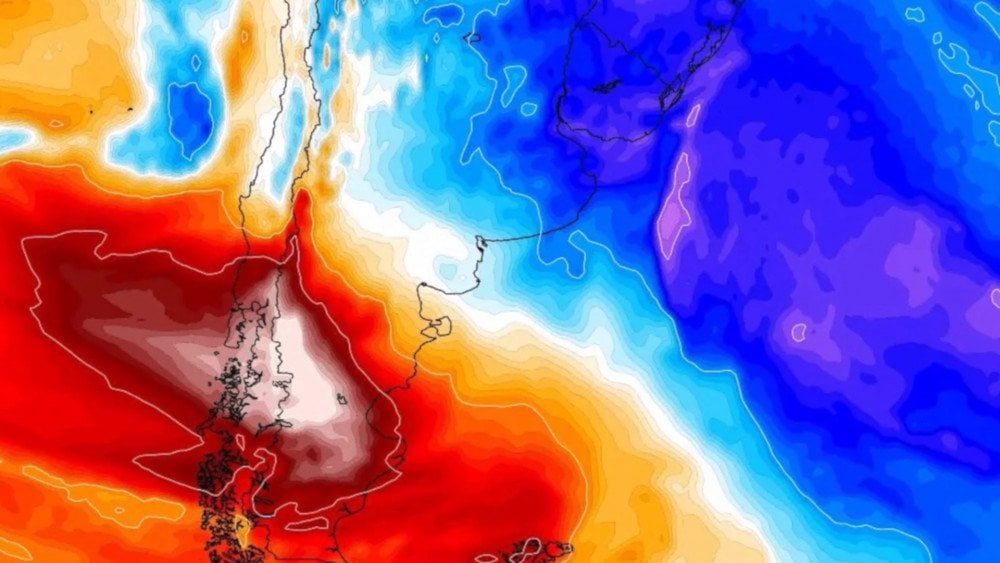
Temperature anomaly in South America: cold air intrusion into southern Brazil at the height of summer
At the same time, in Chile, on the contrary, anomalously high temperatures were recorded, reaching 42 °C (107.6 °F). On January 4, in the city of La Unión, Tmax = +42.4 °C (108.3 °F); in the commune of Río Bueno, Tmax = +41.4 °C (106.5 °F).
Such heat, strong shifting winds, and a 10-year drought triggered large-scale wildfires.
On January 16, thousands of people in the Biobío and Ñuble regions were forced to evacuate just hours after the fire began spreading rapidly.
The most critical situation developed in the commune of Penco. At 2:30 a.m., the wildfire spiraled out of control — a fire whirl formed, literally consuming homes. The disaster reached unprecedented scale: the flames advanced all the way to the sea — something that, according to local residents, had never happened before.
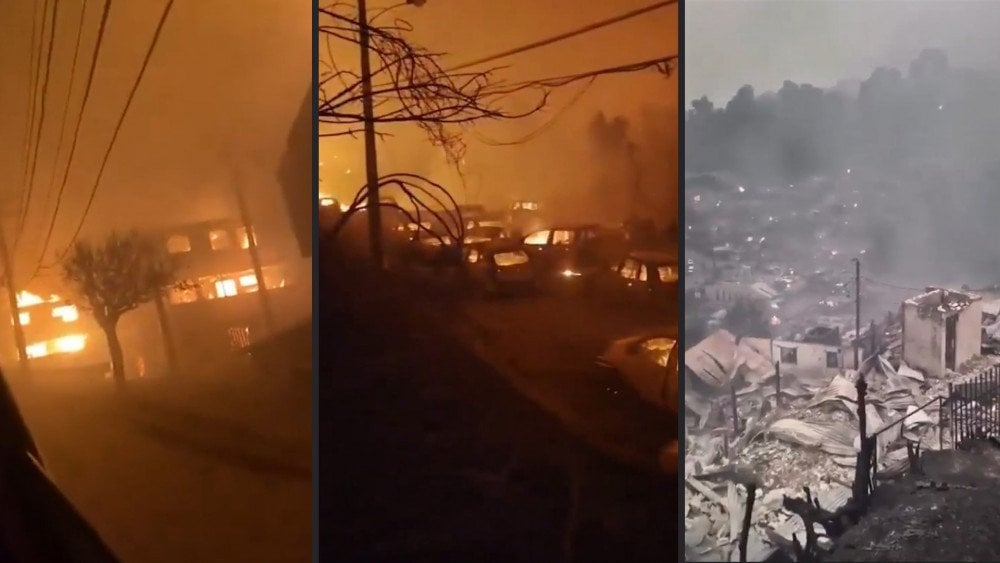
Large-scale wildfire in Chile engulfed residential areas
More than 50,000 people were evacuated, and over 1,000 found shelter in temporary accommodation centers.
One eyewitness reported that the smoke was so toxic that people fled their homes in whatever they were wearing, taking nothing with them. Had they delayed even 20 minutes, they could have burned alive.
But there were also those who chose to stay behind to protect their property. For some, this decision cost them their lives.
In this region, people live in close-knit communities and know each other well, so every loss is felt especially deeply. Twenty people died in the fire.
The strategically important coastal settlement of Lirquén was also affected — one of the region’s main ports and a key transport hub linking Greater Concepción with the rest of Biobío.
The fire destroyed more than 50,000 hectares (123,553 acres) of forests, farmland, and plantations. About 2,000 buildings were completely or partially destroyed.
A distinctive feature of the current wildfire season has been the massive area of burned land. According to Miguel Castillo, Director of the Fire Engineering Laboratory at the University of Chile, the burned area of the 2025–2026 fire season is already three times larger than that of a typical season. And this is despite the fact that the number of fires remains within the normal range and even below average.
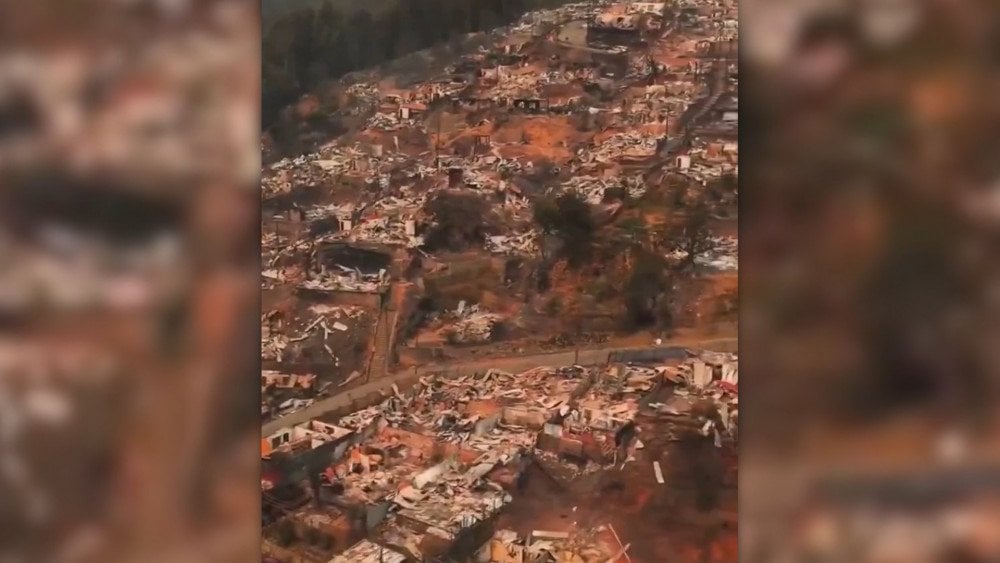
Aftermath of the catastrophic wildfire in the Biobío Region, Chile
This means that fewer fires are causing far greater damage, and this trend is becoming increasingly common during wildfire seasons around the world.
On January 12, along the Atlantic coast of Buenos Aires Province in Argentina, a massive wave at least 5 m (16.4 ft) high suddenly struck.
The sea, which had previously been calm, suddenly receded for several minutes and then crashed onto the shore with force. At that time, there was extreme heat — the maximum temperature recorded at the National Meteorological Service (SMN) station in the city of Mar del Plata reached +38.7 °C (101.7 °F) — and the beaches were crowded with people. The wave swept away swimmers, as well as umbrellas, sun loungers, and beach tents. Lifeguards were physically unable to assist everyone who found themselves in danger.
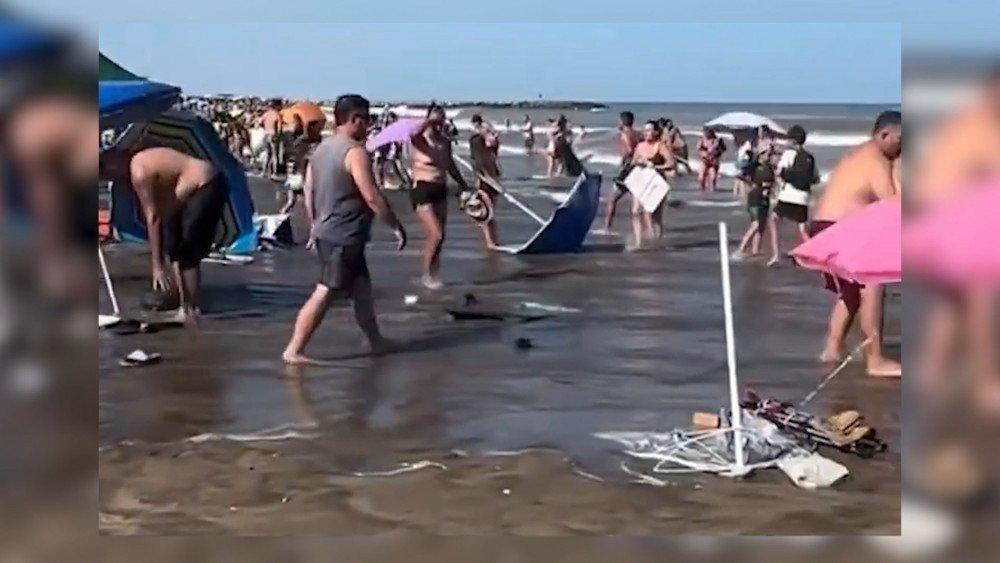
Sudden giant wave swept away people and beach equipment in Buenos Aires Province, Argentina
In the town of Santa Clara del Mar, a man was thrown onto rocks. Tragically, he died. Thirty-five people were injured.
Specialists classified this phenomenon as a meteorological tsunami — a rapid and anomalous oscillation of sea level that outwardly resembles a tsunami but occurs without earthquakes, under the influence of atmospheric disturbances such as abrupt pressure changes, a strong storm, or a cold front moving rapidly over the ocean.
Thus, in the port of Mar del Plata, before the incoming wave, the sea level suddenly dropped by 45 cm (17.7 inches), followed by a rise of nearly 90 cm (35.4 inches).
It is worth noting that meteotsunamis are virtually unpredictable, which makes them extremely dangerous phenomena.
Solar Activity
On January 18, a powerful X1.9-class solar flare occurred on the Sun — one of the strongest according to the established classification.
Solar flare classes: A, B, C, M, and X, where X is the most powerful. An X1.9 flare is nearly twice as strong as the minimum X1 flare.
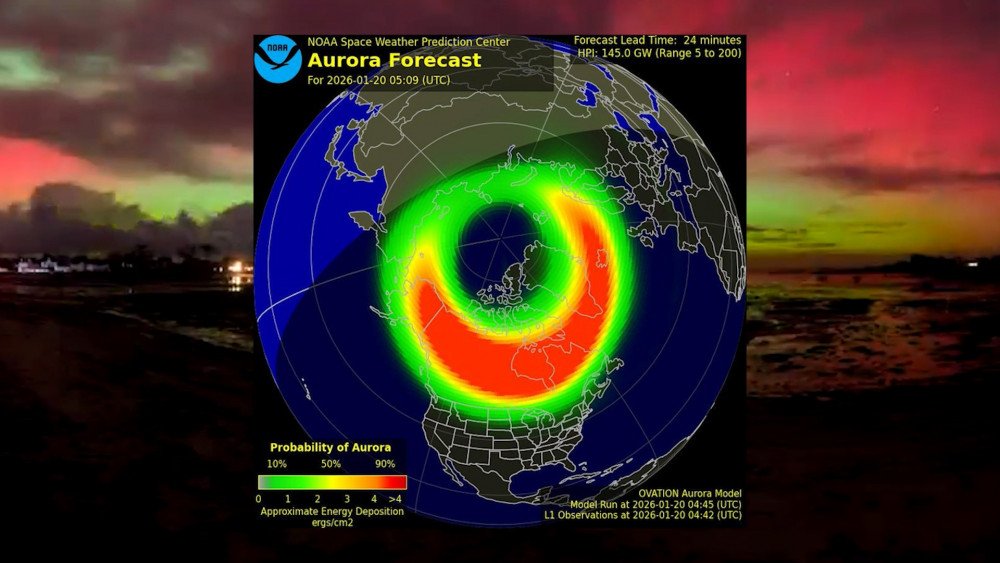
Aurora forecast following a powerful solar flare
The event was accompanied by a coronal mass ejection — a cloud of charged plasma and magnetic fields directed toward Earth.
As early as January 19, the ejection reached Earth’s magnetosphere and triggered a severe geomagnetic storm. According to the Space Weather Prediction Center of the U.S. National Oceanic and Atmospheric Administration (NOAA SWPC), its intensity reached G4 — the fourth level out of five possible categories.
Such storms can cause disruptions to satellite systems, radio communications, and navigation, increase atmospheric drag on low-Earth-orbit satellites, and create overloads in power grids.
At the same time, a solar radiation storm of level S4 was recorded. This event ranks among the rare and most powerful episodes of the 21st century. Solar radiation storms are classified on a scale from S1 to S5. S4 is a very strong storm, posing elevated risks to satellite electronics, astronauts, and aviation on polar routes.
One of the most striking effects of the geomagnetic storm was the auroras observed in the Northern Hemisphere for two consecutive nights, at latitudes significantly farther south than usual. Reports of auroras came from across Europe, including France, Spain, southern Portugal, as well as from the central states of the United States.
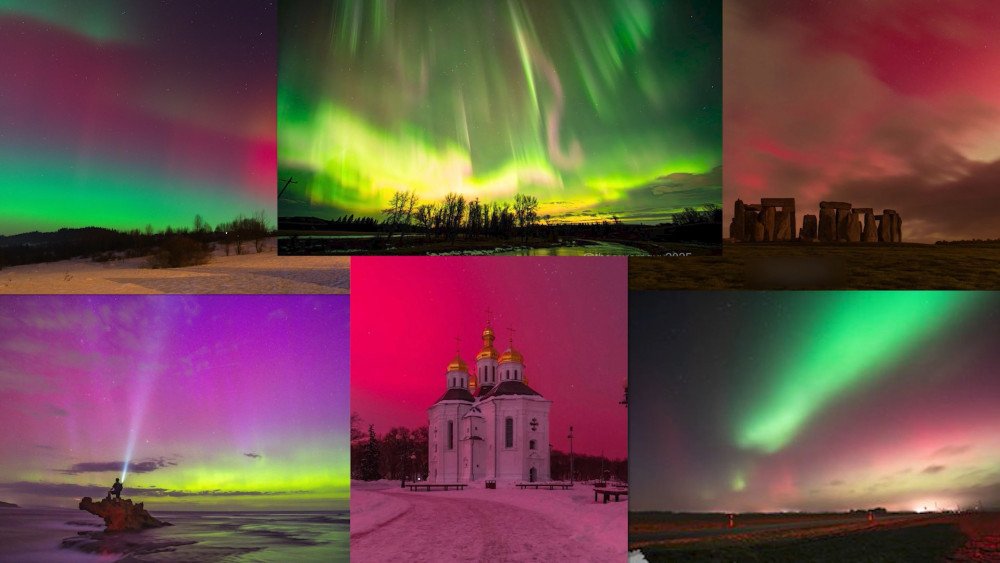
Manifestation of a strong geomagnetic storm: auroras were recorded in different parts of the planet
Such a simultaneous manifestation of extreme solar activity occurs extremely rarely.
Democratic Republic of the Congo
On January 13, after prolonged torrential rains in North Kivu Province, a major landslide struck the village of Burutsi in the Walikale territory.
The disaster occurred at night and caught residents off guard while most of them were asleep. Mudflows and debris cascaded onto the village, sweeping away everything in their path. Dozens of homes were completely destroyed or buried.
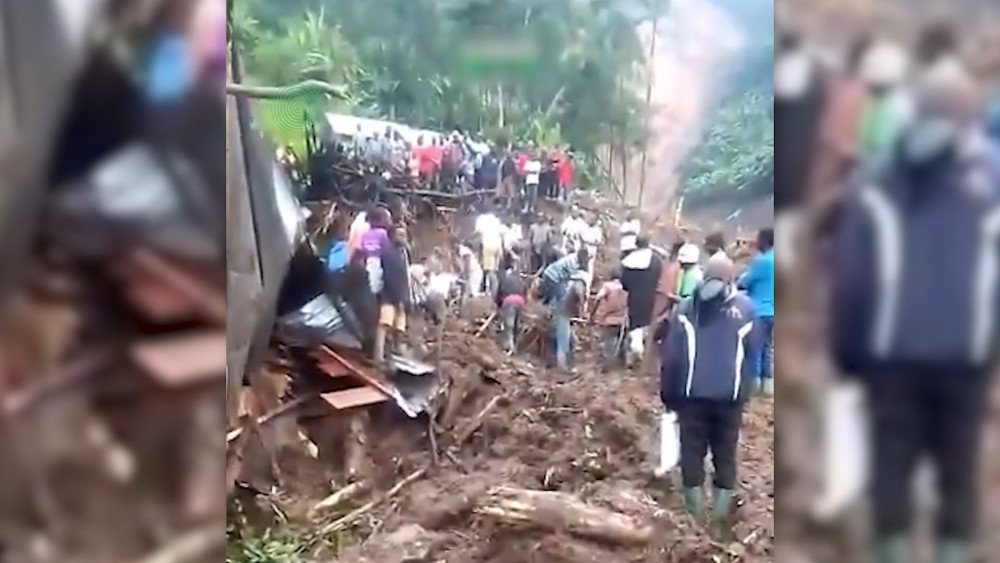
Search and rescue operations after the landslide in the village of Burutsi, North Kivu Province, Democratic Republic of the Congo
A section of the road, vital for supplying the region, was also buried. This significantly complicated rescue operations and the delivery of aid to the affected population.
As a result, 28 people lost their lives, and another 20 were injured. Dozens of families were left homeless.
Australia
On January 15, torrential rains in southwestern Victoria State triggered a rapid-onset flood: more than 175 mm (6.9 inches) of rainfall fell within 6 hours, and at Mount Cowley over 180 mm (7.1 inches) was recorded, setting a new daily record. Rivers overflowed their banks almost instantly. Floodwaters swept away vehicles — dozens of cars were carried into the ocean. People became stranded in coastal towns. About 400 residents and tourists were evacuated from low-lying areas and campgrounds, and two men could only be rescued by air.
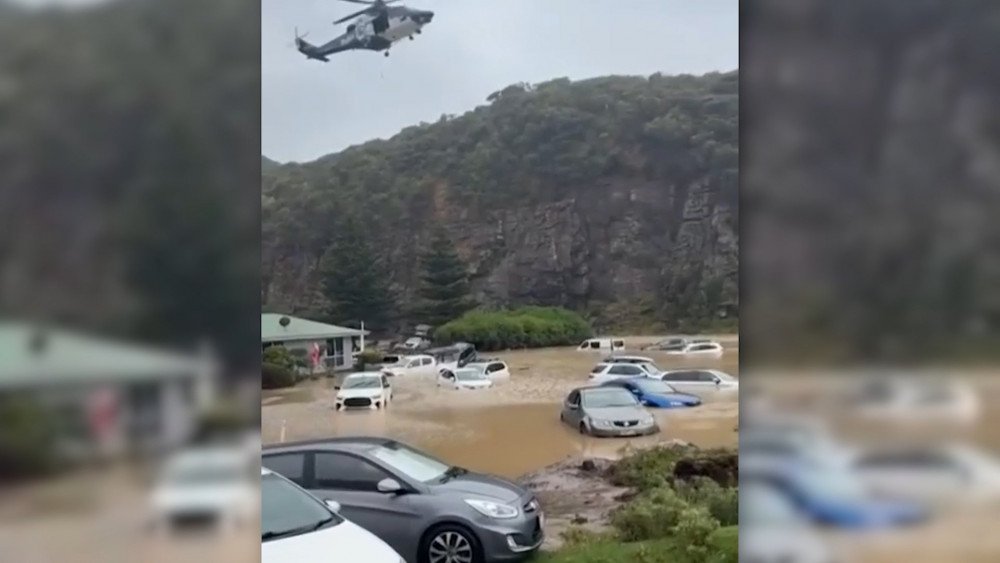
Aftermath of severe flooding following record rains in Victoria State, Australia
It is worth noting that emergency SMS flood warnings were sent with significant delay — 30 minutes after the evacuation had already been completed.
According to Alistair Drayton, Chief Operations Officer of the State Emergency Service, they had never encountered such a volume of rainfall before.
Due to flooding, landslides, and road surface damage, the major tourist attraction — the Great Ocean Road — was closed.
Local residents described the flood as the worst in the region’s history and admitted that the disaster caught them off guard: just a week earlier, wildfires had been raging in the region, and evacuation plans had been designed only for the threat of fire, not for the sudden arrival of floodwaters.
Russia
The current winter has become one of the harshest for Kamchatka in recent decades and has turned into a prolonged snow blockade.
As early as December 2025, the situation began to exceed the norm. In the city of Petropavlovsk-Kamchatsky, more than three monthly precipitation norms fell in a single month — 370 mm (14.6 inches).
In January 2026, the snowfalls only intensified. From January 13 to 16, more than a monthly amount of precipitation — 130 mm (5.1 inches) — fell on the regional capital (with the average January norm being 110 mm (4.3 inches)).
According to the Kamchatka Hydrometeorological Service, the snow cover depth at the Petropavlovsk-Kamchatsky weather station reached 171 cm (67 inches), and in certain districts of the city and its suburbs, snowdrifts exceeded 250 cm (98 inches).
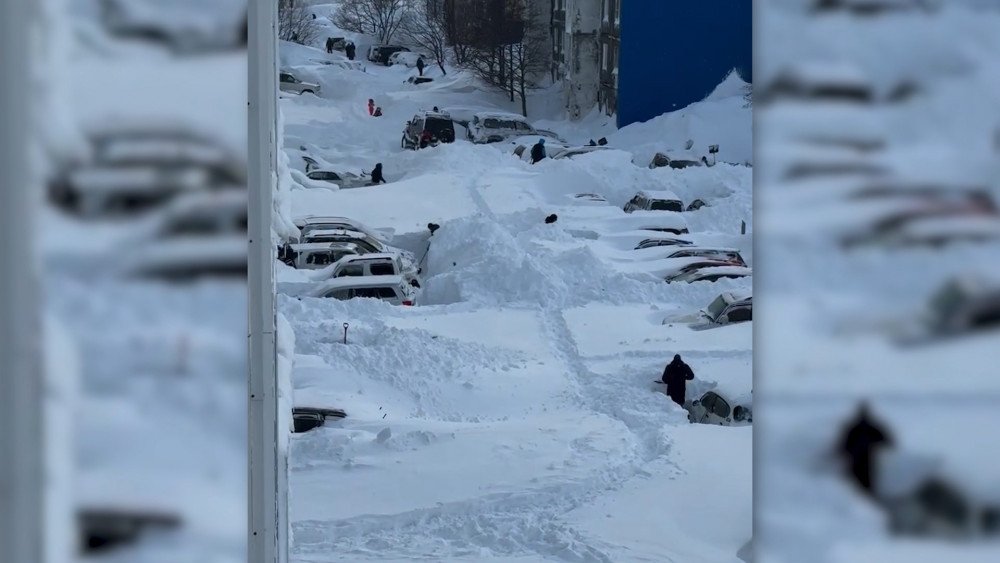
Petropavlovsk-Kamchatsky, Russia: after record snowfalls, cars were buried in massive snowdrifts
Even satellite images showed the capital of Kamchatka Krai almost completely buried under a dense layer of snow.
Such a snowy winter has not been observed in the region for more than 50 years — since the early 1970s.
The storm was accompanied by extremely strong winds, with gusts locally exceeding 100 km/h (62 mph), causing the snow not merely to accumulate but to form dense snow “dunes” against buildings several stories high. People exited their homes by jumping directly into snowdrifts. Doors and ground-floor windows were squeezed inward by the weight of snow.
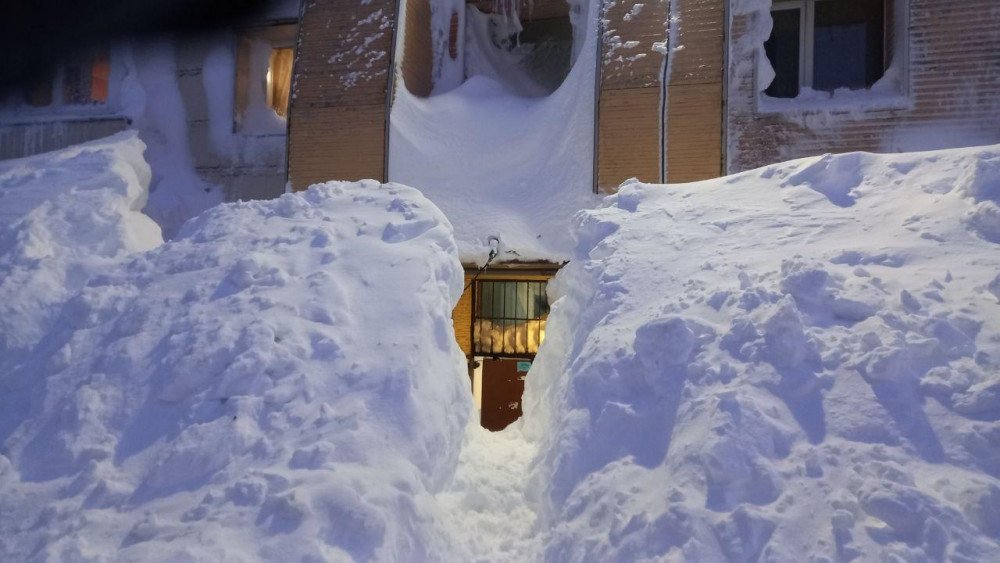
Aftermath of the anomalously powerful winter storm in the city of Petropavlovsk-Kamchatsky, Russia
Roads were closed, schools were shut down, public transport was suspended, and urban infrastructure collapsed into crisis.
Local residents noted that weather forecasts did not prepare them in any way for what occurred. Believing they would only need to wait out the storm for a few hours or at most miss a day of work, many found themselves trapped in their homes for 5 days without sufficient food supplies.
In some districts, electricity was cut off. Buildings in private residential areas, where most homes are heated by electricity, cooled down within hours.
The disaster resulted in fatalities: two elderly men died due to snow sliding off rooftops. One was dug out alive, but the ambulance arrived too late because streets had not yet been cleared. Following these incidents, a state of emergency was declared in the city, along with an avalanche warning.
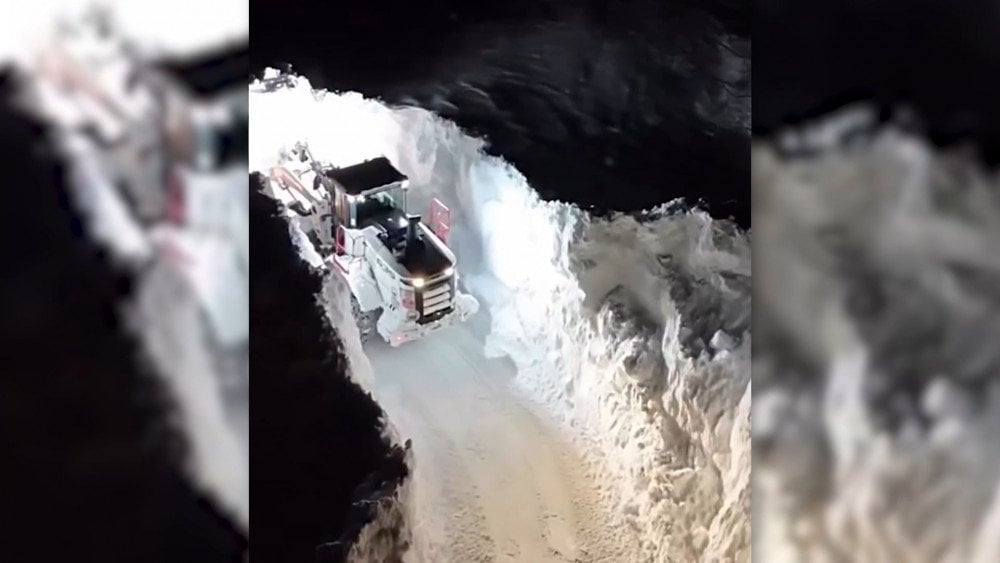
Specialized equipment clearing gigantic snowdrifts, Kamchatka, Russia
Emergency services were physically unable to respond to all calls, and residents joined forces to dig out homes on their own, assist elderly neighbors, and transport them to doctors. According to local residents, only after the city is fully cleared will it become clear how many elderly people living alone did not survive this snowy week.
Previously, the suddenness of weather still fit within understandable patterns — for example, heavy rain could lead to flash flooding, but the processes themselves remained predictable. Now the situation has changed — scenarios no longer align with expectations.
Recall: in Australia, authorities were preparing for wildfires but faced flooding; in Argentina, people were relaxing on the beach when they were swept away by an anomalous wave; in Kamchatka, a seasonal storm was expected but turned into a multi-day snow blockade; at the height of summer, winter cold suddenly arrived in Brazil.
These are no longer isolated rare anomalies but a steady trend. The transition from “ordinary weather” to a state of emergency now occurs within hours or even minutes, leaving people completely defenseless against climate. Increasingly, the cause is not forecasting errors, but the fact that meteorologists simply cannot keep pace with processes developing too rapidly and outside habitual scenarios.
Humanity is going through difficult times. All rational people have long understood that there is no hope that climate disasters will stop on their own. Without targeted action, their frequency and destructive force will only intensify.
Humanity already has the opportunity to eliminate the influence of one of the fundamental factors that not only amplifies natural disasters but also threatens life on the planet itself. This concerns micro- and nanoplastics. Finding a way to neutralize their electrostatic charge is our only chance to slow the escalation of these extreme processes today. Every day of inaction means lost opportunities and lost human lives. Therefore, the choice, truth, and action of every person are important as never before. The time has come to create all the necessary conditions for the survival of all humanity.
Watch the video version of this article here:
Leave a comment